
Maximizing Tax Efficiency Through Qualified Opportunity Zone Investments: A Strategic Perspective from Your CPA Advisors
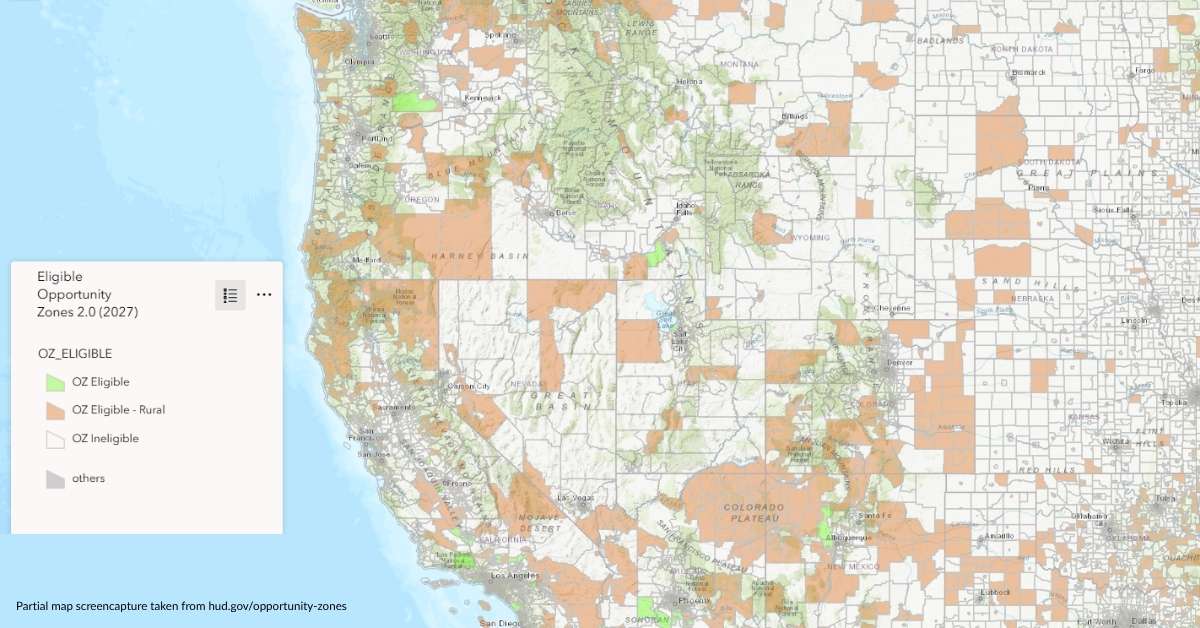

As tax professionals, we know that effective investing is about more than market performance — it’s about structuring your financial decisions to minimize tax exposure and maximize long‑term value. Qualified Opportunity Zone (QOZ) investments may offer certain tax advantages for eligible investors, depending on individual circumstances.
Created under the 2017 Tax Cuts and Jobs Act, the QOZ program encourages private investment in economically distressed communities while offering substantial tax incentives to participating taxpayers.
What are Qualified Opportunity Zones?
Qualified Opportunity Zones are designated census tracts identified by the U.S. Treasury as areas in need of economic revitalization. Investors can participate by reinvesting eligible capital gains into a Qualified Opportunity Fund (QOF) — a specialized investment vehicle that deploys capital into real estate or operating businesses located within these zones.
For some taxpayers, QOZs may provide tax‑related benefits when used as part of a broader planning strategy.
How Qualified Opportunity Funds work
A QOF allows taxpayers to reinvest capital gains from the sale of real estate, stocks, business interests, or other appreciated assets. When structured in accordance with IRS rules, QOF investments may provide certain tax benefits that could support long‑term planning objectives.
Key tax advantages
1. Deferral of capital gains
Taxpayers who reinvest eligible gains into a QOF within 180 days may defer recognition of those gains until the earlier of:
- The date the QOF investment is sold, or
- Five years after the investment is made
This deferral preserves capital that would otherwise be paid in taxes, allowing it to remain invested and productive.
2. Potential reduction of taxable gain
While earlier provisions allowed for basis step‑ups, the primary remaining benefit is the deferral itself — which still provides meaningful cash‑flow and planning advantages.
3. Potential tax‑free appreciation
If the investment meets all IRS requirements and is held for at least 10 years, current law allows for the exclusion of certain appreciation from federal taxation. Tax outcomes depend on individual circumstances and may change if laws or regulations are amended.
What types of investments qualify?
Qualified Opportunity Funds may invest in:
- Real estate development or substantial rehabilitation
- Operating businesses located within a QOZ
- Equity interests in partnerships or corporations operating in a zone
Each investment must meet strict IRS compliance requirements, including substantial improvement rules and active business use tests — areas where professional tax guidance is essential.
Why clients are considering Opportunity Zones
From a CPA’s perspective, QOZ investments offer several strategic advantages:
- Enhanced tax efficiency through gain deferral
- Long‑term wealth building via tax‑free appreciation
- Portfolio diversification into high‑potential markets
- Positive community impact through revitalization efforts
These benefits make QOZs a compelling option for taxpayers seeking both financial and social returns.
Important Considerations
While the incentives are substantial, QOZ investments require careful planning:
- Compliance rules are complex and evolving
- Investments are typically long‑term and illiquid
- Due diligence on QOF managers is essential
- Timing is critical, especially regarding the 180‑day reinvestment window
Our team can provide general information about QOZ rules and help you evaluate considerations to discuss with your tax or investment advisor.
Factors to Consider When Evaluating QOZ Investments
Qualified Opportunity Zone investments offer a powerful combination of tax deferral, long‑term tax‑free growth, and strategic portfolio enhancement. For taxpayers with eligible capital gains, QOZs can be an effective tool for reducing tax liability while supporting economic development in underserved communities.
If you’re evaluating whether a QOZ investment fits into your tax strategy, our team is here to guide you through the analysis, compliance considerations, and long‑term planning process.


