
Trust, Pressure, Opportunity: Financial Fraud Risks & Prevention in Medical Practices
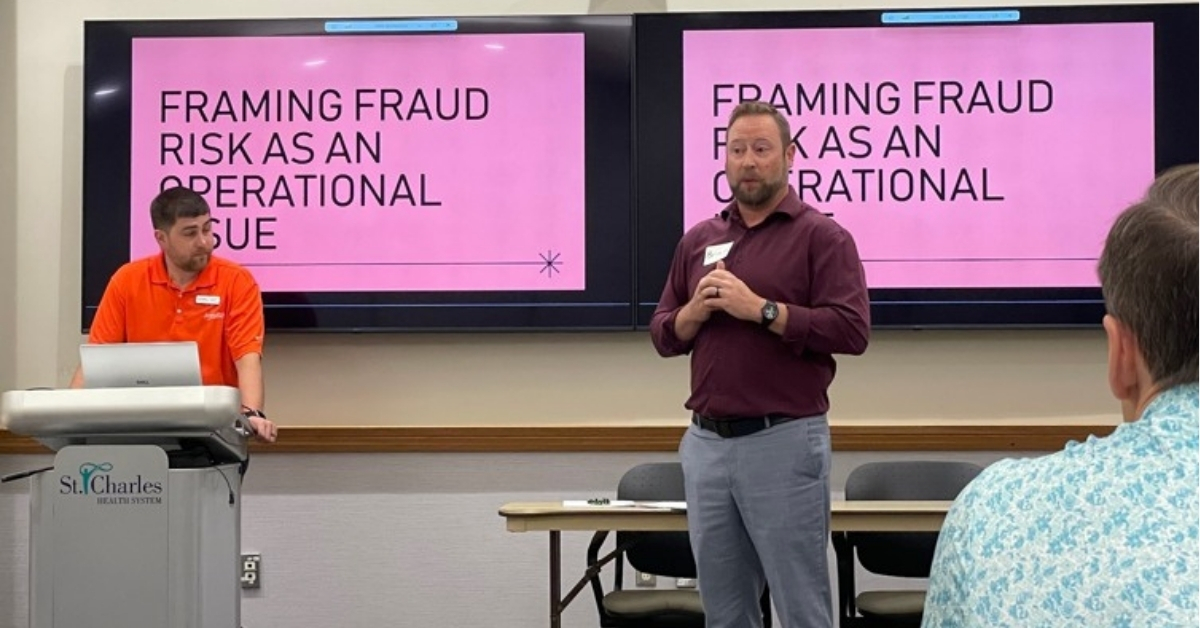

Brian Newton & Keegan O’Brien recently delivered a comprehensive presentation on the Enhanced Financial Fraud Risks & Prevention measures within Medical Practices. From the volatile rise of AI-driven billing scams to traditional phantom billing, healthcare fraud rarely starts with a dramatic entrance, but begins with small exceptions that overtime go unnoticed. We explored these emerging threats and discussed essential strategies for compliance, prevention and detection.
Understanding and combating medical fraud requires ongoing vigilance, continuing education and swift action. Below acts as a reminder and a quick summary for some of the key topics we covered during the presentation.
The Evolving Face of Healthcare Fraud
Fraud, waste, and abuse (FWA) cost the U.S. healthcare system billions annually, diverting vital resources away from our community. During our lecture, we highlighted the most common schemes:
- A/R / Revenue adjustments: High-volume, low billed services often go without cause of concern. Increasing risk of inappropriate transactions similar to multiple bills for a single service or falsely inflating codes to bill for more expensive procedures than a patient actually received can blend into routine patient service revenue. A/R adjustments often require judgment and can easily be manipulated.
- Payroll Fraud: Improper segregation of duties and often unreviewed changes in pay rates, bonuses, or hours including addition of ghost employees drives inflated payroll in medical practices.
- Phantom Billing: Concentration of vendor setup, invoice entry, and payment by one person increases the risk of fraud. This includes fictious vendors used to push claims for medications, medical equipment and or services that were never ordered or rendered.
Combating Fraud with Innovation
As bad actors continue to adapt, so should the healthcare professionals as these business risks aren’t going away any time soon. Medical practices should consider additional help like data-driven analytics, manual checks and balances, outside bookkeeper/CPA and owner review of financial reports in order to catch fraudulent patterns in real-time.
A Special Thank You
None of this would be possible without the continued dedication and support of Oregon MGMA and St. Charles Bend Hospital for allowing us to speak at their conference room. Your commitment to healthcare integrity and professional education allows us to share these vital insights, empower providers, and protect our communities. If you’re considering improving your controls or further curious about fraud in the healthcare industry, reach out to our team.


